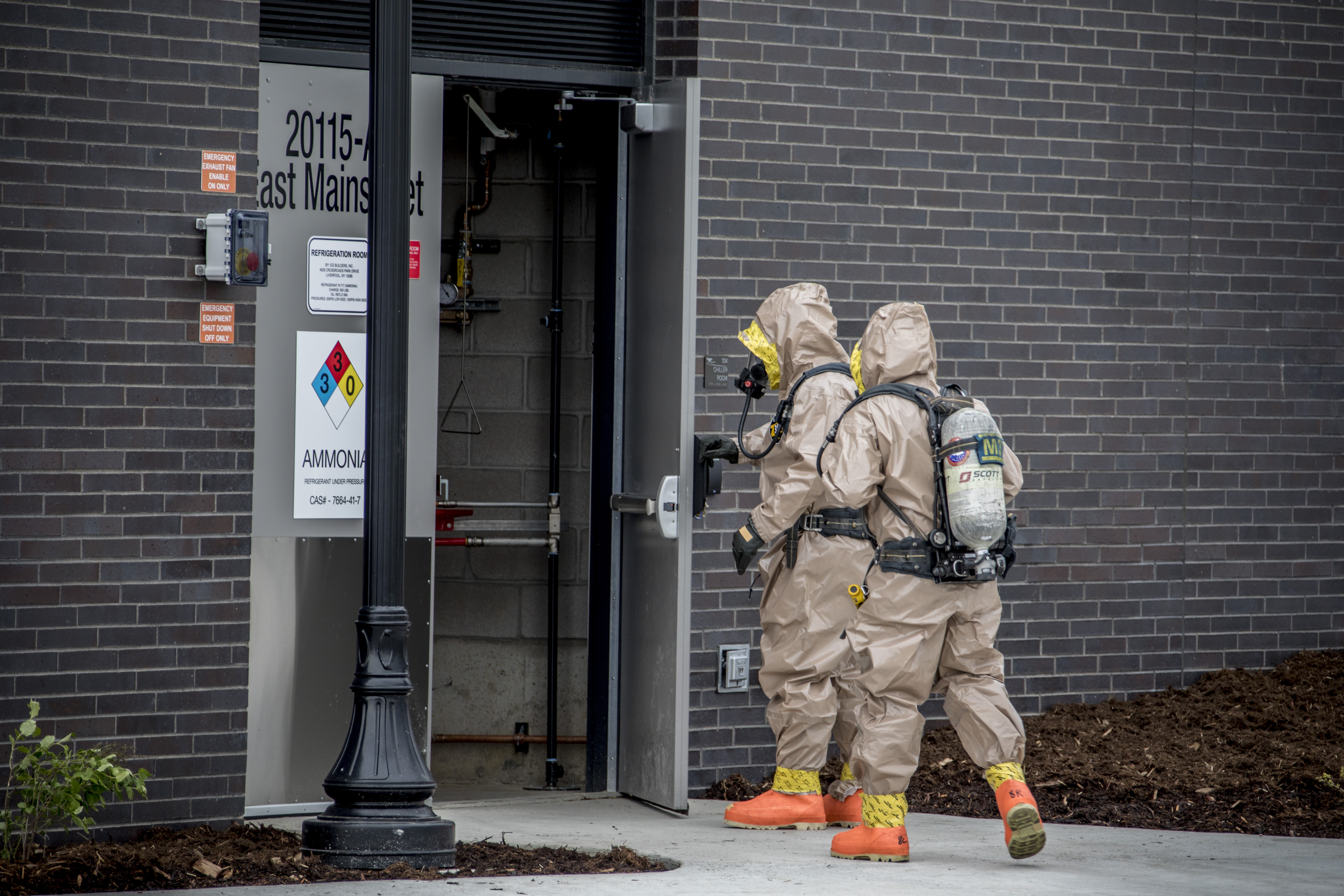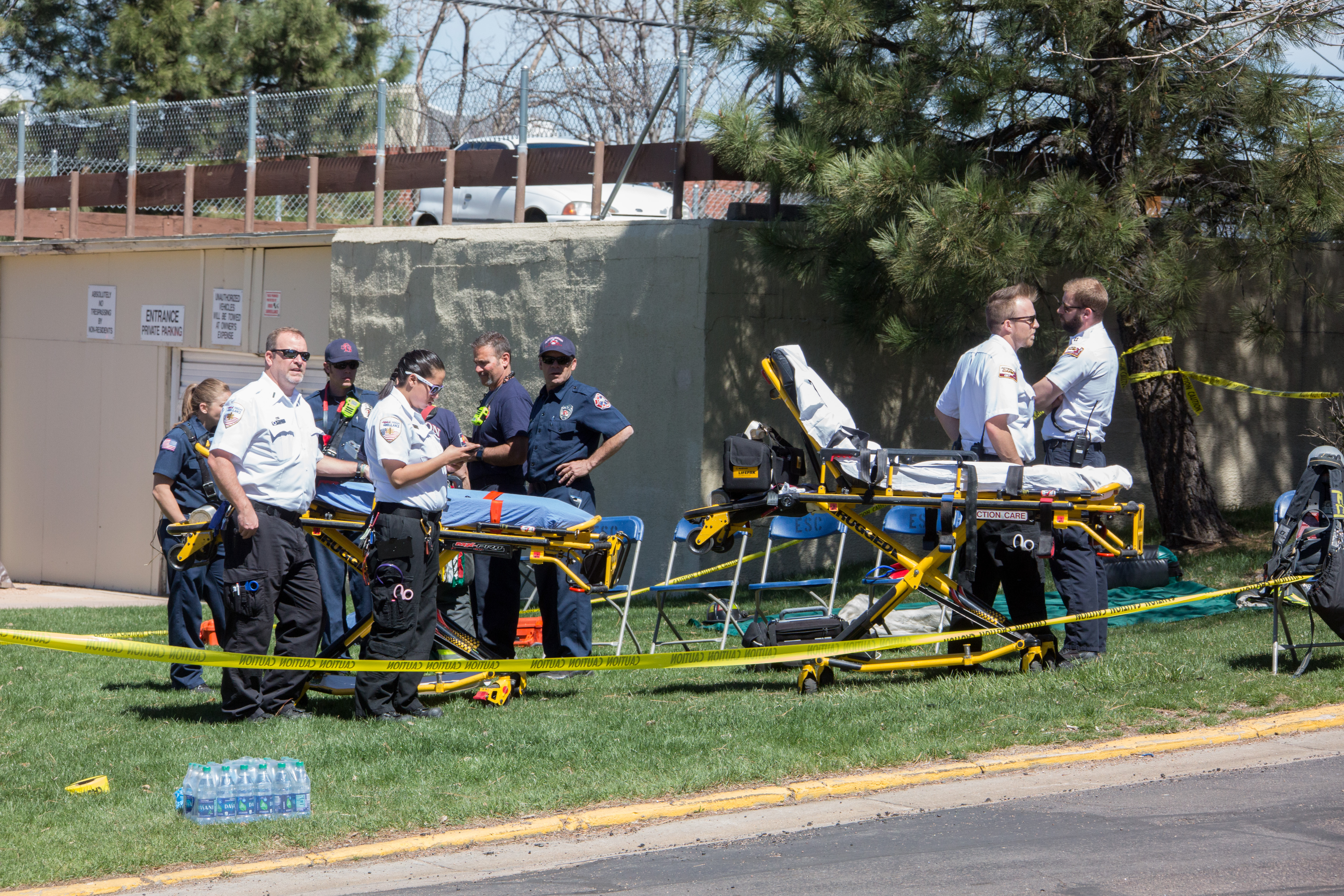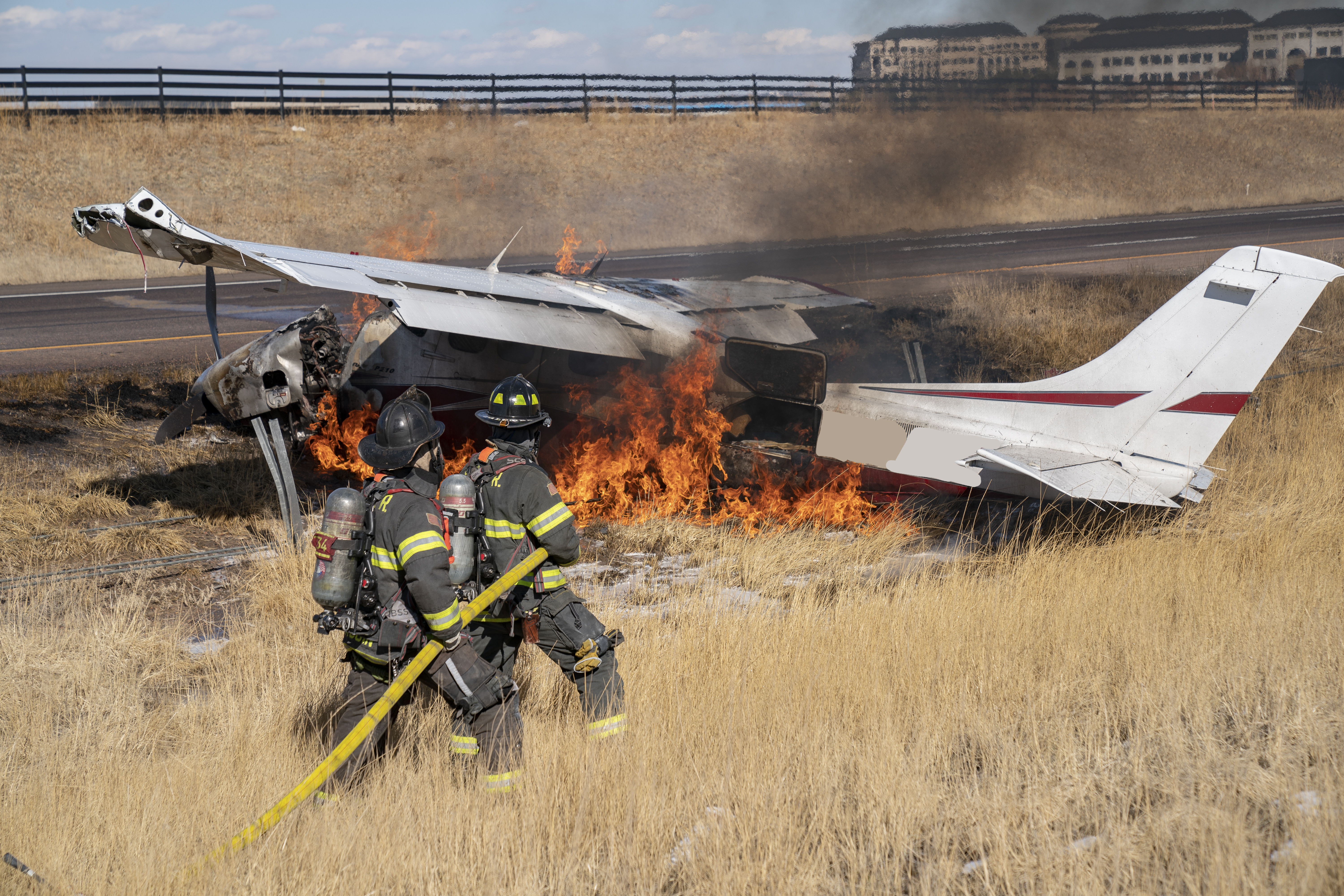
Built around ICS. Aligned with NIMS. Trusted nationwide. Designed, Built, and Shipped from Denver, Colorado
IDLH Tactical Worksheet® / Est. 2017

Incident Command Board. ICS Made Visible.

ICS is the framework every emergency in this country runs on. The IDLH incident command board takes that framework off the page and puts it on the working surface — positions, accountability, benchmarks, and all-hazard checklists, in the layout the system was designed around.

Also searched as: Incident Command Board · ICS Command Board · NIMS Command Board · Unified Command Board · All-Hazard Command Board · Tactical Worksheet
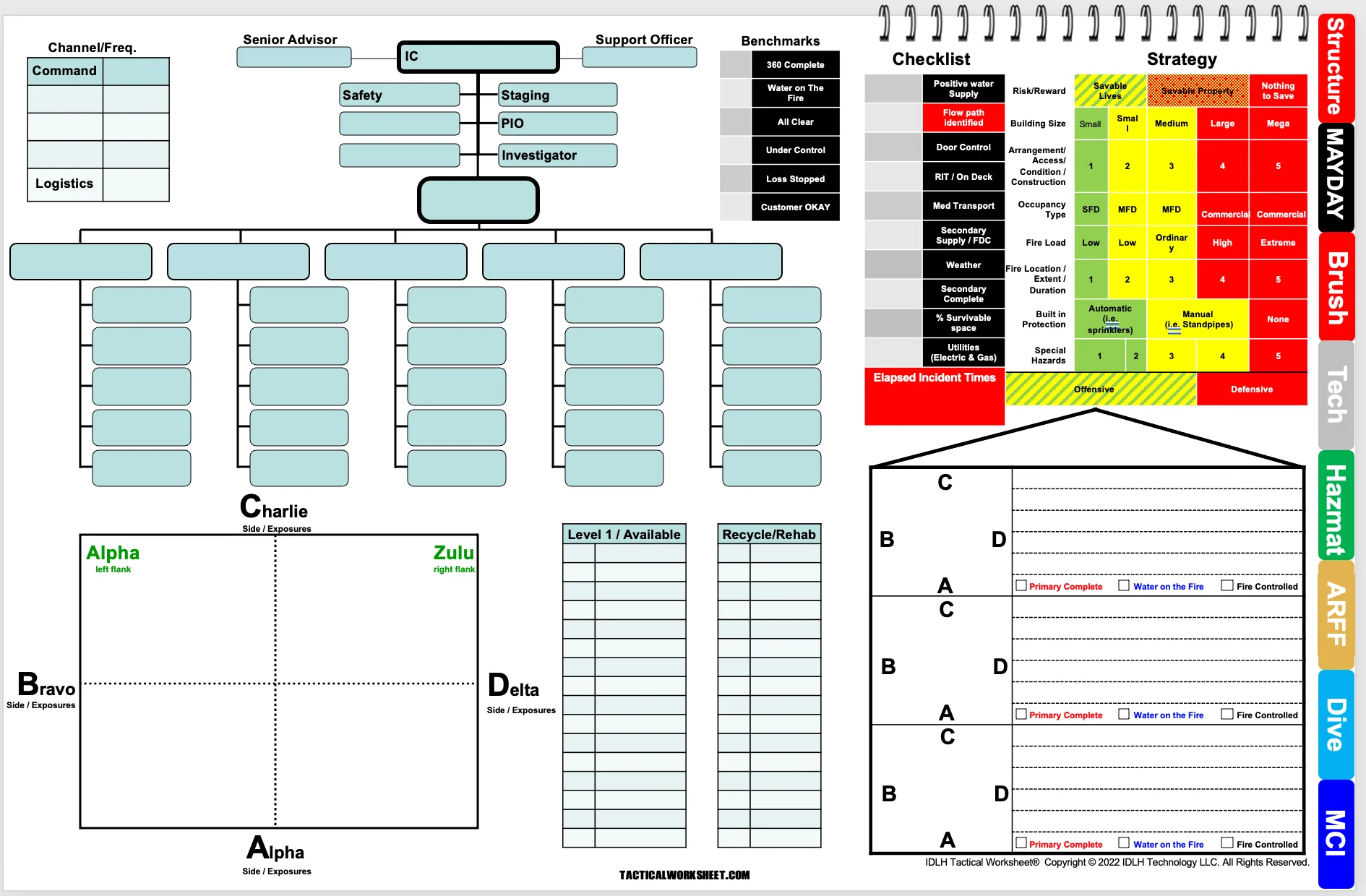
IDLH Tactical Worksheet fire command board with all-hazard checklists
50States Equipped
8Incident-Type Checklists
11×17″ICS / NIMS Layout
USADesigned & Built
01 / Why ICS Needs a Surface

The System on the Board.

The Incident Command System is the operating language of the American emergency response. Every fire department, every law enforcement agency, every emergency manager, every multi-agency response in this country runs on ICS. The system is universal. The way it gets practiced is not.

An incident command board is what makes ICS tactile — a physical surface where the abstract framework becomes a working command post. Personnel and assignments in their positions. Divisions and groups tracked in real time. Benchmarks marked as they are achieved. Conditions, actions, and needs captured before they get lost. The IDLH Tactical Worksheet® Incident Command Board builds the structure of ICS directly into the layout, then adds aviation-style all-hazard checklists at the exact points where command needs prompting.

It is used today by career and volunteer fire departments, command academies, EMS supervisors, hazmat teams, technical rescue groups, and emergency managers running multi-jurisdictional events. Wherever ICS is the operating doctrine, the board gives that doctrine somewhere to live.
02 / What the Board Brings

Six Reasons It Earns Its Place.

The IDLH incident command board against every other command tool on the market — what sets it apart.

01

Built on ICS Structure

Positions for the Incident Commander, Command Staff, General Staff sections, divisions, groups, and branches — laid out the way ICS was actually designed, not how marketing thinks command should look.

02

NIMS-Compliant Framework

Aligned with the National Incident Management System: personnel accountability reports, conditions/actions/needs reporting, benchmark documentation, transfer-of-command support. Interoperable across departments and jurisdictions.

03

Multi-Agency Ready

Layout accommodates unified command, joint operations, and the realities of a working multi-agency response. Fire, EMS, law enforcement, hazmat, emergency management — the board does not care which agency you wear the patch for.

04

All-Hazard Checklists

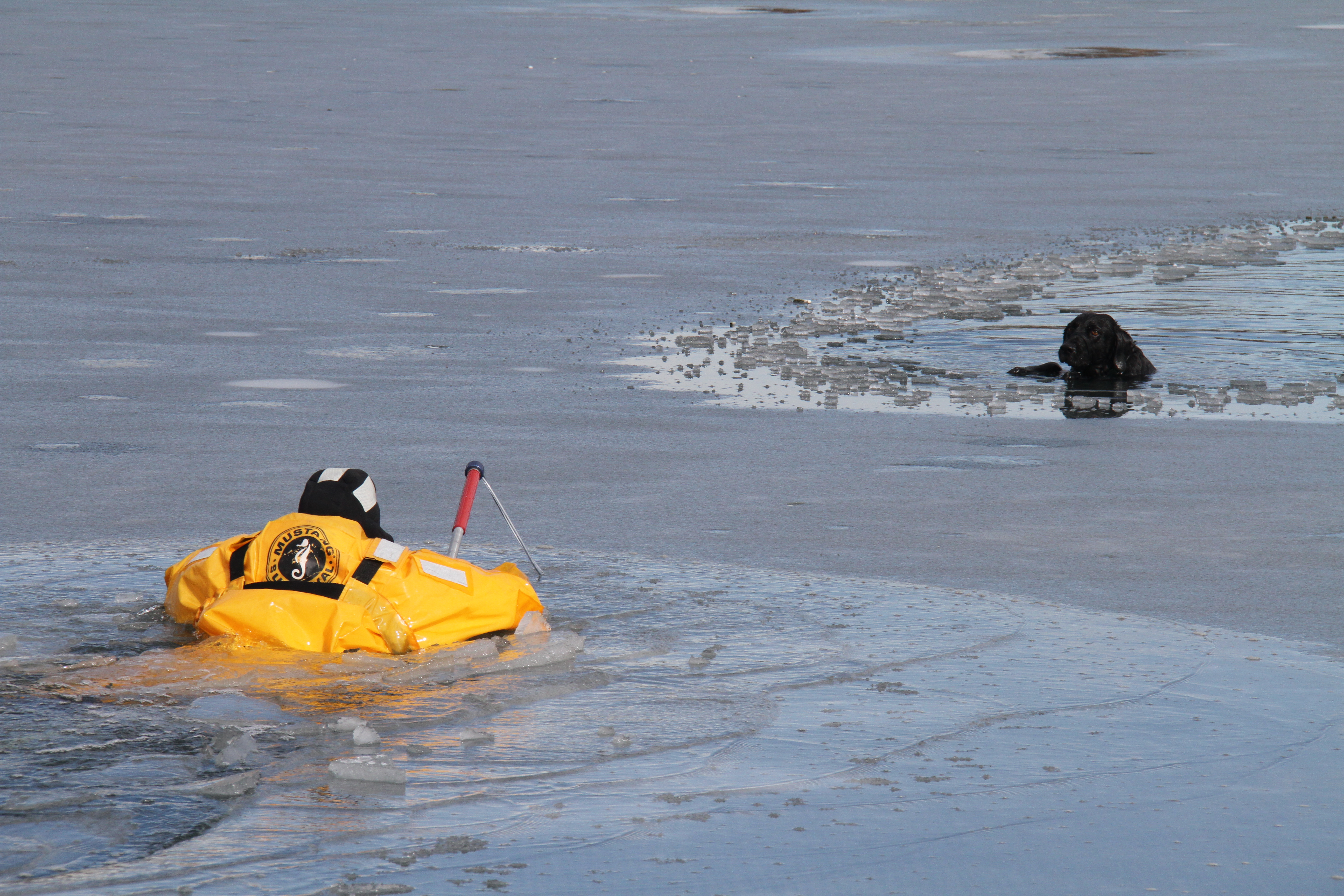
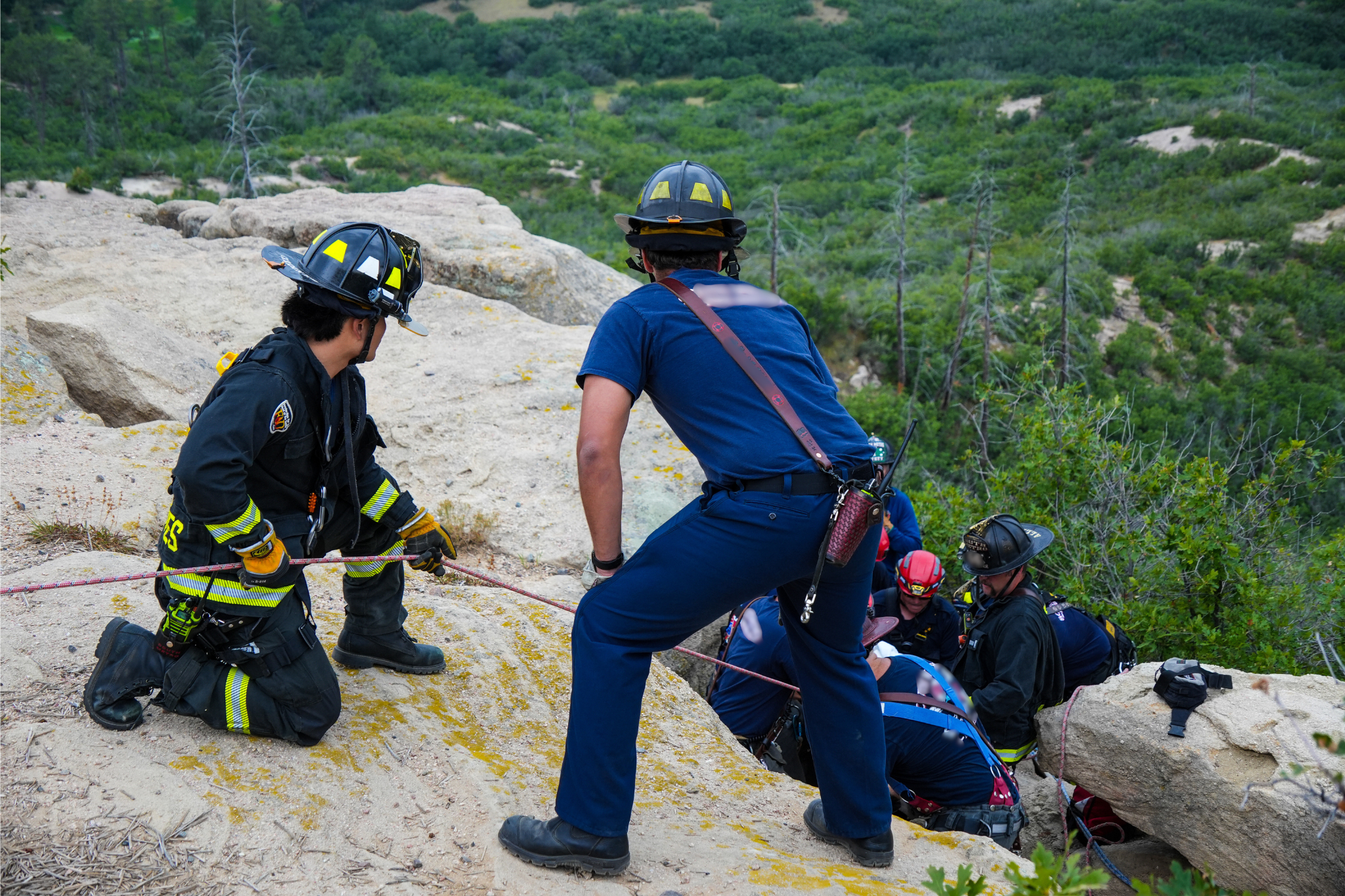
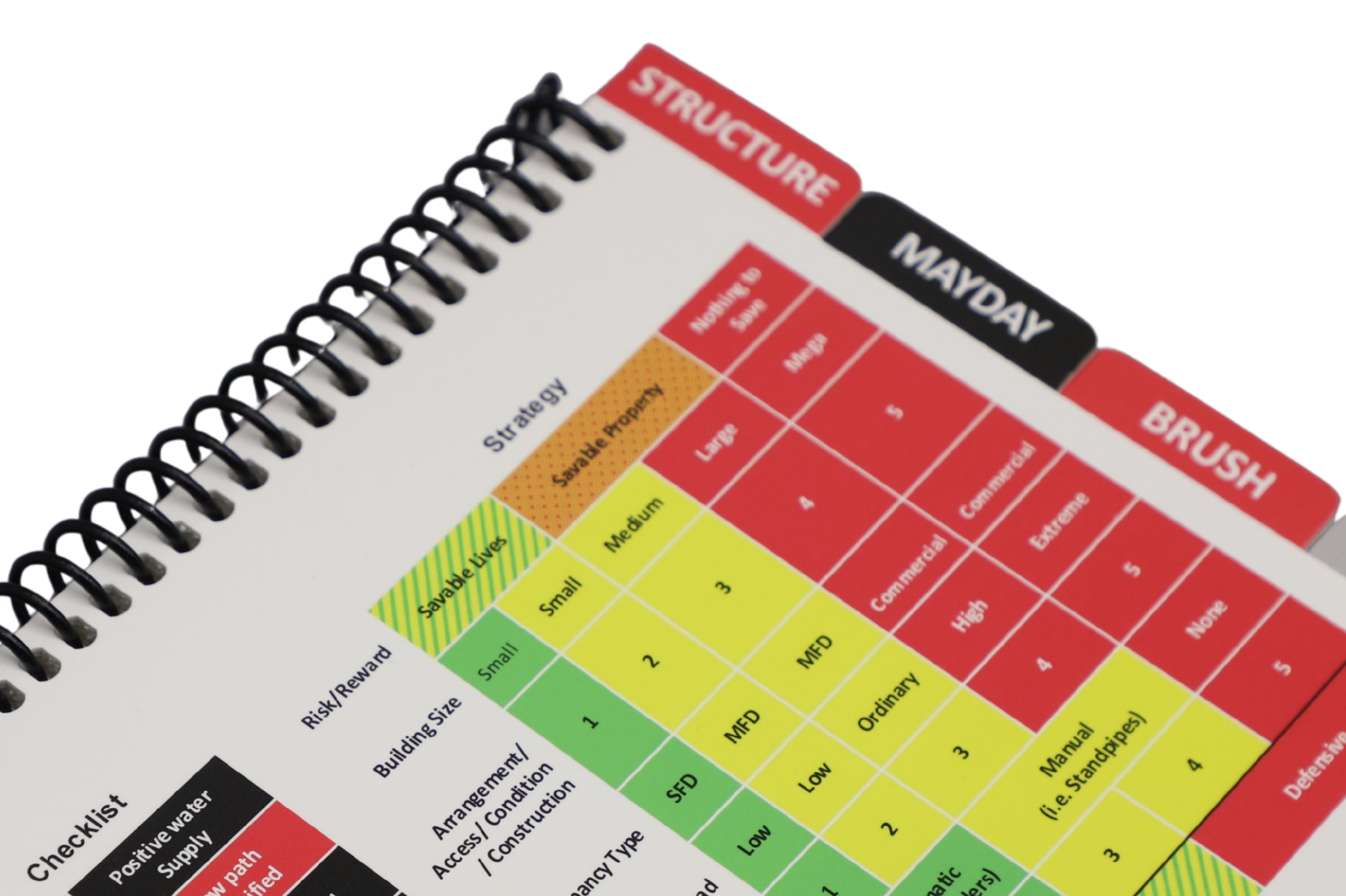
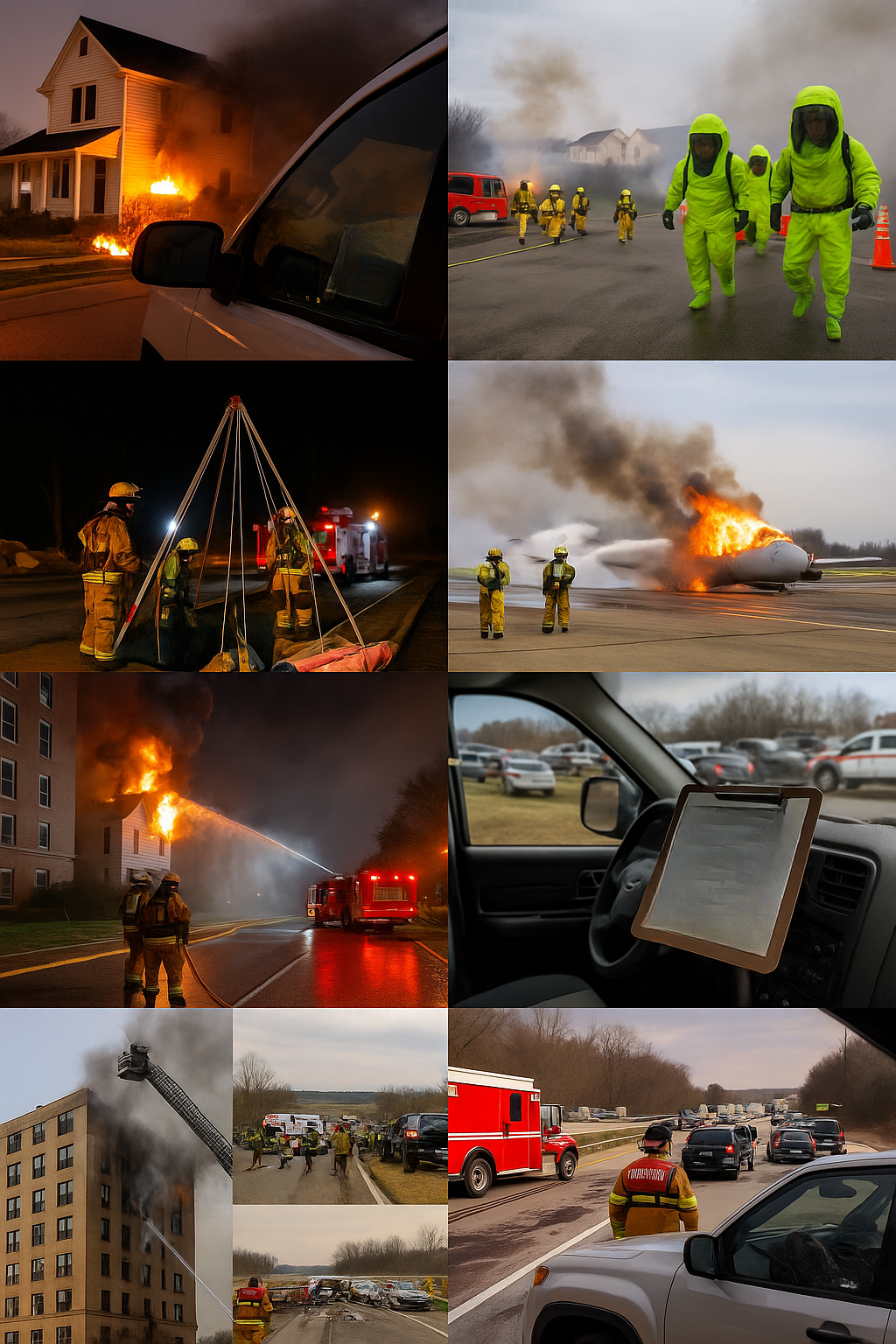
Eight integrated incident-type checklists printed directly on the board — Structure, Mayday, Brush/WUI, HazMat, MCI, ARFF, Dive Rescue, Technical Rescue. Aviation-style prompts at the exact decision points command needs them.

05

Training-Grade Structure

Built for command-level training simulations, tabletop exercises, ICS-200/300/400-level courses, and academy use. Same layout, same checklists across operational and training environments — muscle memory transfers.

06

American Made

Designed and manufactured in the United States by IDLH Technology, LLC. Shipped from Denver, Colorado. Built by people running ICS in their own operations.

03 / Engineered for the System

ICS Comes to Life on the Board.

The Incident Command System defines the roles, the responsibilities, the reporting chains, the span of control, the unity of command. The system is rigorous. What it lacks is a physical home at the command post. Most agencies improvise that home — a clipboard, a binder, a folding table with sticky notes. None of it built for the way ICS actually flows during a live event.

The IDLH incident command board is that physical home. The structure of ICS is on the working surface — Command Staff (Safety, PIO, Liaison), General Staff (Operations, Planning, Logistics, Finance/Admin), divisions and groups, branches. The action of ICS is on the same surface — PAR, CAN reports, benchmark documentation, transfer-of-command notes. The discipline of ICS sits in the checklists alongside.

It is not a worksheet that happens to be ICS-compatible. It is ICS, built into a tool you can run an incident from.

COMMAND STRUCTURE

ICS on the Surface

Positions for IC, Command Staff, General Staff, divisions, groups, and branches — laid out in the structure ICS was designed around. Personnel accountability and benchmark tracking integrated into the same view.

MULTI-AGENCY

Unified Command

Supports unified command across fire, EMS, law enforcement, hazmat, and emergency management. Agency-neutral layout that works as well in a joint operation as it does in a single-agency response.

TRAINING & SIMULATION

Command Academy Grade

Used in ICS-200 through ICS-400 training, tabletop exercises, command simulations, and academy programs. Same board, same layout — muscle memory built in training transfers cleanly to real incidents.

04 / Shop

Put ICS in Hand.

The Standard Edition is the field board — premium styrene, weather-resistant, built for command vehicle and command post use. The Value Edition is the training board — same layout, same checklists, priced for academies, training divisions, and exercise programs.

IDLH Tactical Worksheet Command Board, Standard Edition
Standard Edition

IDLH Tactical Worksheet® Incident Command Board

ICS-structured. NIMS-aligned. All-hazard checklists. Built for the way the system actually flows.

$149.99
USD · Ships within 2–4 Business Days
Dimensions
11″ × 17″, double-sided
Material
Premium styrene, weather-resistant
System
ICS & NIMS aligned
Checklists
Structure, Mayday, Brush/WUI, HazMat, MCI, ARFF, Dive, Tech Rescue
Origin
Designed & made in the USA
Ships From
Denver, Colorado · 2–4 business days
05 / Incident-Type Checklists

All-Hazard. On the Board.

Eight incident-specific checklists printed directly on the board. The system covers what the engine, the truck, the rescue, and the agency are likely to see — single-agency or unified. Click any incident to view the checklist in detail.

06 / Specifications

The Numbers.

Dimensions, materials, system alignment, and edition options for the IDLH Tactical Worksheet® Incident Command Board, Standard Edition.

Close-up of IDLH Tactical Worksheet command board checklist prompts
Dimensions
11″ × 17″, double-sided
Weight
1.6 lb (726 g)
Material
Premium styrene with dry-erase laminate; weather-resistant
Format
Dry-erase, double-sided (all-hazard checklists + tactical layout)
System
ICS / NIMS aligned · Supports PAR, CAN, division/group tracking
Checklists
Structure · Mayday · Brush/WUI · HazMat · MCI · ARFF · Dive · Tech Rescue
Design
Aviation-inspired checklist framework
Editions
Standard (front-line) · Value (training, station, academy)
Origin
Designed and manufactured in the USA
SKU / GTIN
IDLH-CB-STANDARD · 860002374192
07 / Field Reports

From Across the System.

Emergency managers, command academy instructors, multi-agency commanders, and ICS practitioners using the IDLH board.

I have taught ICS for fifteen years, and the gap I have always seen is between what we teach in the classroom and what people pick up at the command post. The IDLH board closes that gap. The structure on the surface is the structure in the curriculum.

Command Academy Instructor State Fire Academy · Mid-Atlantic

We adopted the board for our county-wide multi-agency response template. Fire, EMS, sheriff, and emergency management all read the same surface during unified command. Interoperability is no longer a doctrine — it is what the board looks like.

Emergency Manager County Office of Emergency Management · Southeast

I run command at hazmat events for the regional team. The board does exactly what an ICS tool is supposed to do: capture the structure, the assignments, the benchmarks, and free the commander to think one step ahead instead of writing down what just happened.

Hazmat Team Commander Regional Response Team · Western U.S.

Our training division uses the IDLH board for every ICS-300 and ICS-400 course we deliver. Students leave the program with a tool they will see again on real incidents. That continuity is rare in fire service training.

Training Division Chief Regional Fire Academy · Pacific Northwest
08 / In Operation

The Board on Real Incidents.

Walkthroughs of actual incidents and exercises with the IDLH incident command board in use. See how the ICS structure on the surface holds an incident together.

→ View All Playlists on YouTube

09 / Questions From the Command Post

What the Field Asks.

The questions chiefs, training officers, and emergency managers ask about the IDLH incident command board. Don't see yours? Contact the team.

Is the IDLH incident command board ICS and NIMS aligned?

Yes. The board is designed around the Incident Command System and the National Incident Management System, with positions for the Incident Commander, Command Staff, General Staff sections, divisions, groups, and branches. Personnel accountability reports, conditions/actions/needs updates, and benchmark recording are built into the layout. The framework supports interoperability across departments and agencies under a single command structure.

Does the incident command board support unified command and multi-agency operations?

Yes. The board's layout accommodates unified command, with positions for multiple agency representatives and clear delineation of command, general staff, and operational sections. It is in active use by combined fire/EMS/law enforcement responses, hazmat teams, technical rescue groups, and multi-jurisdictional events where ICS interoperability is required.

Can the board be used in ICS training and command academies?

Yes — the board is widely used in command-level training programs and academies. Training divisions adopt it for tabletop exercises, command simulations, ICS-200/300/400-level courses, and exercise design. Value Editions are priced for training-quantity purchases without sacrificing the layout, checklists, or build quality of the Standard Edition.

Does the incident command board replace ICS forms?

No. The board is a real-time command surface for use during the incident; ICS forms (201, 202, 203, 204, 215, 215A, etc.) are documentation instruments produced through the planning process and used to capture and transmit information. The board and the forms work together — the board supports the command function in the moment, the forms preserve and communicate the plan.

How does the board handle command transitions?

The dry-erase layout supports a clean command transition — the incoming IC sees the current personnel assignments, benchmarks accomplished, and tactical objectives in a single glance. The transferring IC can walk through the board with the incoming IC, which is consistent with the formal transfer-of-command briefing required under ICS.

Is the incident command board appropriate for non-fire agencies?

Yes. While the board's checklist library is heavily weighted toward fire service operations (structure, mayday, brush/WUI, ARFF), the ICS structure on the working surface is agency-neutral. Law enforcement, EMS, emergency management, and dive/technical rescue teams use the board in active operations and training. The Active Threat and PIO editions are specifically tailored to non-fire and joint operations.

What incident types are covered by the all-hazard checklists?

Eight integrated checklists are printed directly on the board: Structure Fire, Mayday, Brush/WUI, HazMat, Mass Casualty Incident (MCI), Aircraft Rescue and Firefighting (ARFF), Dive Rescue, and Technical Rescue. Specialty editions (Active Threat, PIO/Safety/ISO) extend the coverage for incidents outside the standard fire-ground envelope.

Where is the incident command board manufactured, and what are the dimensions?

Designed and manufactured in the United States by IDLH Technology, LLC. The Standard Edition measures 11×17″, double-sided, with the all-hazard checklists on one side and the tactical worksheet on the other. Most orders ship within 2–4 business days from Denver, Colorado.
10 / The Company Behind the Board

IDLH Technology.

A small American company building command tools for ICS practitioners since 2017.

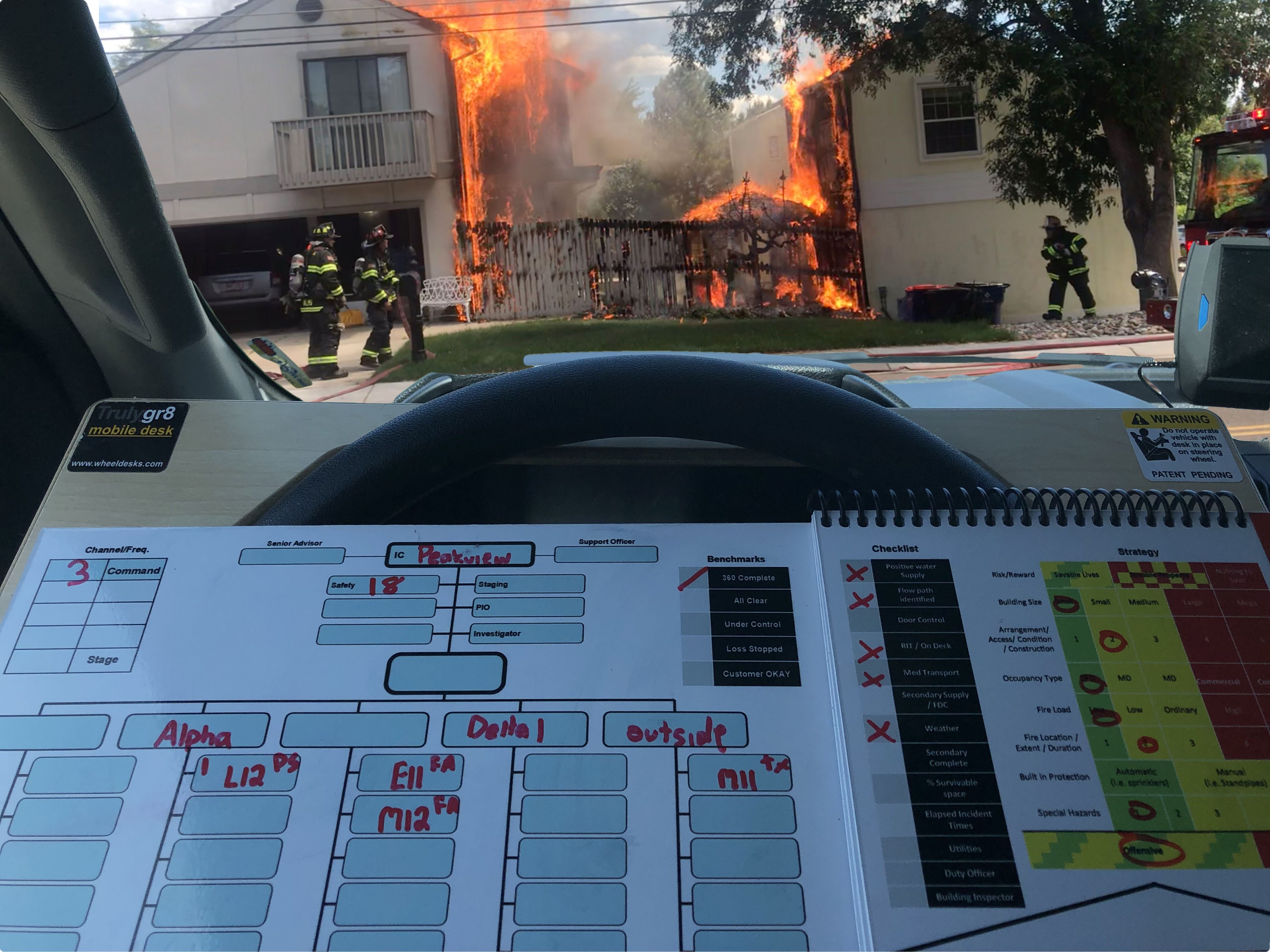
IDLH Tactical Worksheet command boards in use across multiple incident command operations

IDLH Technology, LLC was founded in 2017 by working firefighters who had spent years inside ICS training, ICS doctrine, and ICS field operations — and watched the gap between what ICS asks for and what command posts actually look like. The system was rigorous; the tools commanders reached for were not. Blank whiteboards. Loose-leaf binders. Improvised forms photocopied from the last training rotation.

The IDLH Tactical Worksheet® Incident Command Board was built to close that gap — a single, structured, dry-erase surface that puts ICS where it can do its work. Used by fire departments, EMS supervisors, hazmat teams, technical rescue groups, training academies, and emergency management offices across the United States. Revised continuously based on what comes back from real incidents.

The IDLH Tactical Worksheet® name and logo are registered trademarks of IDLH Technology, LLC. The incident command board is part of the broader IDLH command tool lineup — including Standard, Value, JR, ISO, PIO, Active Threat, Big Print, and other edition variants. The flagship product line is at commandboard.com; the working-fire-focused variant is at firecommandboard.com; the standalone checklist booklet is at commandchecklist.com; the full Shopify store is at tacticalworksheet.com.

Shop the Full IDLH Lineup

IDLH Tactical Worksheet® Network